/BUDAPEST, SOFIA, BUCHAREST, August 18, 2026, 9:30 CEST, RENEWABLE MARKET WATCH™/
The summer of 2026 presented an extraordinary convergence of risks across the energy sector in Central and Eastern Europe. Prolonged extreme heat and severe drought conditions drove the Danube River to historic lows, exposing critical vulnerabilities in the region’s energy infrastructure and dramatically affecting electricity markets.
During the summer of 2026, Central and Eastern Europe faced a prolonged and severe drought that drove the Danube River to record-low water levels, creating a cascading energy crisis for nations along its banks. The combination of heatwaves and accelerating climate change severely disrupted logistics, agriculture, and—most critically—power generation in Hungary, Romania, and Bulgaria. Nuclear facilities dependent on Danube-sourced cooling water were forced into partial or complete shutdowns, resulting in significant electricity supply shortages and prompting emergency interventions by regional governments. This article of Renewable Market Watch™ provides a detailed analysis of the country-level impacts, evaluates the market response to the crisis, and assesses the business case for accelerated investment in battery energy storage and resilient grid infrastructure as essential components of future-proofing the region’s energy sector.
Hungary: Paks Nuclear Plant Shuts Down for the First Time in 44 Years
Hungary was among the most severely impacted countries during the crisis. The Paks Nuclear Power Plant, situated roughly 100 kilometres south of Budapest, is responsible for nearly half of Hungary’s electricity generation. The facility, consisting of four VVER-440 pressurised-water nuclear reactors with a combined capacity of approximately 2,000 MW, is a cornerstone of the nation’s energy mix and industrial competitiveness.
By late July 2026, the Danube’s water level at the Paks facility had plunged 28 centimetres below the previous record low set in 2018—already one metre below the original 100-year minimum water level specified in the plant’s design criteria. This unprecedented drop directly threatened the site’s operational continuity and commercial viability.
The plant’s operator, Magyar Villamos Művek (MVM), issued a critical alert, indicating that a full production shutdown would become unavoidable within 24 to 72 hours due to the cooling-water pump suction level exceeding the declining river level. This operational risk had immediate implications for grid stability and industrial output across Hungary. Prime Minister Péter Magyar confirmed the complete shutdown of the Paks facility at 1:30 a.m. on August 3, 2026—the first such event in the plant’s 44-year operational history. This unprecedented interruption underscored the magnitude of the crisis and its impact on Hungary’s energy security.
In advance of the shutdown, facility output had already been reduced to under 50% of nominal capacity, generating only 965 MW instead of the typical 2,000 MW. This shortfall placed additional pressure on alternative generation sources and increased market volatility. In response, the Hungarian government requested that major industrial consumers voluntarily curtail electricity usage, especially during peak periods from 5:00 p.m. to 10:00 p.m. Leading energy conglomerate MOL pledged to reduce its electricity consumption by 65 MWh, representing a 40% decrease from normal levels. Such demand-side interventions were critical for maintaining grid stability and mitigating the risk of widespread outages.
On August 10, 2026, as Danube water levels temporarily recovered, Unit 2 at Paks Nuclear Plant was brought back online, with output ramping up rapidly to over 300 MW by 7:00 p.m. This recovery provided essential relief to the national grid, albeit with ongoing operational risks due to fluctuating river conditions.
On August 15, Hungarian authorities initiated emergency engineering interventions—including the controlled sinking of two 80-metre barges and the construction of a submerged weir—near the Paks facility. These measures aimed to raise the river level by up to 20 centimetres at the cooling water intake, enabling temporary operational continuity and demonstrating the type of rapid crisis response now necessary in climate-challenged environments.
However, further hydrological forecasts indicated that water levels near Paks may decline by an additional 14 centimetres on August 18 and 19, posing renewed operational challenges for Hungary’s power system and underscoring the ongoing vulnerability of river-dependent generation assets.
Romania: Cernavodă Nuclear Plant Goes Completely Offline
Romania’s sole nuclear facility, Cernavodă Nuclear Power Plant, was similarly impacted by the drought. Comprising two 706 MWe CANDU reactors, Cernavodă accounts for approximately 20% of Romania’s electricity supply, making the operational continuity of the plant a cornerstone of national energy strategy and industrial competitiveness.
On July 28, 2026, Unit 1 of Cernavodă was taken offline as the Danube’s flow rate dropped to roughly 1,630 cubic metres per second—just one-third of the typical July average. Despite extraordinary mitigation efforts by Romanian authorities, including blasting riverbed rocks and sinking four barges loaded with stone in the Bala Canal to redirect water toward the plant, the river continued to recede, threatening the facility’s operational viability and Romania’s energy security.
On August 13, 2026, Nuclearelectrica initiated a controlled shutdown of Unit 2, leaving both of Romania’s nuclear reactors offline simultaneously for only the second time in history (the previous instance occurred in 2003). This unprecedented situation underscored the magnitude of the crisis and amplified market uncertainty.
The plant’s director, Romeo Urjan, indicated that operations would not resume for at least ten days. Acting Prime Minister Ilie Bolojan declared a nationwide state of alert in the energy sector for August, prompting major industrial players such as Dacia and Ford to temporarily halt production until August 19 to alleviate electricity demand, demonstrating the broad-based economic disruption resulting from the crisis. Romania’s day-ahead electricity prices surged to as high as EUR 340 per MWh, driven by supply shortfalls and congested cross-border interconnections, highlighting the market’s acute sensitivity to supply disruptions.
With both Cernavodă reactors offline, Romania was compelled to secure emergency electricity imports from external suppliers. Beginning in early August 2026, Romanian state utility Nuclearelectrica coordinated with Moldova’s Energocom and Ukrainian generators to facilitate cross-border electricity flows, ensuring grid stability during peak-demand hours and reinforcing the importance of regional cooperation in crisis conditions. This arrangement built on a 2023 memorandum of understanding aimed at strengthening regional energy resilience. Romanian Foreign Minister Emilia Tsoiu and Ukrainian Foreign Minister Andriy Sibiga coordinated operational details, confirming that Romania would rely on Ukrainian generation to meet peak load requirements, demonstrating the practical value of cross-border energy partnerships.
The reversal of energy flows is historically significant: Romania, once a guarantor of Moldovan energy security, now benefited from reciprocal transit support from Moldova to stabilise its own grid, underscoring the dynamic and interconnected nature of the regional electricity market.
Bulgaria: Kozloduy Nuclear Plant on the Brink
Bulgaria’s Kozloduy Nuclear Power Plant, situated roughly 110 kilometres north of Sofia on the Danube, operates two VVER-1000 reactors with a combined capacity of approximately 2,000 MW. While Kozloduy has so far maintained operations, the safety margin is narrowing, presenting significant operational and market risks as regional baseload supply becomes increasingly constrained.
According to Renewable Market Watch™ estimates, Kozloduy faces the risk of forced shutdown if the Danube’s level drops by an additional 30 centimetres. A full shutdown of Kozloduy would eliminate 2 GW of baseload power from the Southeast European grid, compounding supply challenges and severely testing the resilience of the region’s electricity market at a time when neighbouring countries are already under strain.
Hydrological forecasts indicate that this critical threshold could be reached within 5 to 7 days from August 16, 2026—potentially by August 21–23, 2026. Nevertheless, Bulgarian Energy Minister Iva Petrova assured stakeholders that there is no imminent risk and emphasised that a dedicated task force has been monitoring the situation since early July to mitigate operational risks and maintain stability in the energy market.
Bulgaria: The (Un)Expected Hero of the Crisis
While nuclear assets have struggled, Bulgaria’s massive investments in battery energy storage systems (BESS) between 2024 and 2026 have emerged as a critical stabilising force for the region. Over the past three years, Bulgaria has evolved from a peripheral participant to the EU’s most dynamic and fastest-growing BESS market, positioning itself as a model for energy resilience and flexibility.
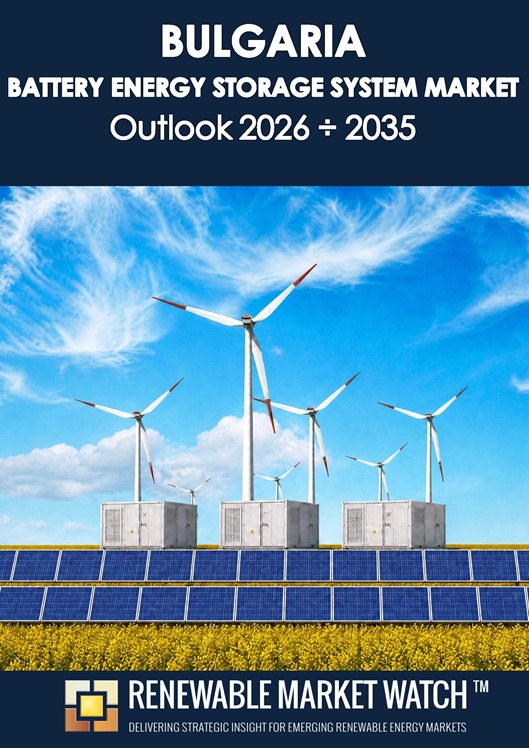
According to the Bulgaria Battery Energy Storage System (BESS) Market Outlook 2026 – 2035, Bulgaria’s installed storage capacity soared from less than 190 MWh at the end of 2024 to nearly 14,000 MWh by August 2026, with grid-connected installed BESS capacity reaching approximately 4.5 GWac. More than €2 billion has been invested in BESS over the past two years, leveraging both private capital and EU subsidies. This rapid expansion has cemented Bulgaria’s status as the EU’s premier BESS market for new installations and a regional leader in grid modernisation.
By 2026, Bulgaria had become a global benchmark, with BESS supplying over 16% of national electricity demand. This leadership in energy storage integration has provided Bulgaria with a robust buffer against supply shocks and positioned the country as a regional balancing hub.
Bulgaria’s large-scale BESS deployment has enabled the country to function as a regional balancing hub. While day-ahead electricity prices in Romania soared to EUR 340/MWh, Greek prices—stabilised by Bulgarian battery discharge and cross-border flows—remained below EUR 150/MWh, demonstrating the tangible market benefits of flexible storage infrastructure.
Business-Critical Energy Transition Measures to Ensure Market Resilience
The 2026 Danube drought has revealed acute vulnerabilities in river-cooled thermal and nuclear power generation due to climate-driven hydrological extremes. Significant power reductions or shutdowns of nuclear reactors entail high costs for resuming initial power generation. To prevent a recurrence and safeguard market stability, the expert team at Renewable Market Watch™ recommends that Hungary, Romania, and Bulgaria accelerate the following business-critical interventions:
1. Nuclear Plant Resilience
• Lower intake pipes and retrofit cooling systems at Paks, Cernavodă, and Kozloduy to ensure continued operations at lower river levels. MVM has already initiated preparatory upgrades at Paks to maintain output even during record-low Danube conditions, exemplifying proactive asset management.
• Construct permanent submerged weirs and diversion infrastructure near nuclear facilities to maintain critical cooling water levels during drought events, safeguarding long-term operational continuity and risk mitigation.
• Diversify cooling water sources wherever feasible, including the development of dedicated reservoirs or closed-loop cooling systems, to enhance operational resilience and reduce exposure to riverine risk.
2. Accelerate Battery Storage and Renewables
• Replicate Bulgaria’s BESS deployment model across Hungary and Romania by launching EU-funded auction programmes modelled similarly to RESTORE in Bulgaria. Co-locating solar PV with battery storage as much as possible is now a risk-management imperative; in Bulgaria, standalone solar development has become commercially unviable without integrated storage.
• Expand hybrid solar-wind-plus-storage projects to capture midday oversupply and discharge during evening peaks, mitigating price volatility and strengthening grid stability by flattening the ‘duck curve’ that drives market imbalances.
3. Pumped Hydro and Long-Duration Storage
• Repair and modernise existing pumped-storage hydro power facilities, such as Bulgaria’s Chaira plant (864 MW), which has operated at less than 25% capacity for years. Upgrading these assets is essential for multi-hour load shifting and grid flexibility.
• Accelerate development of new pumped-storage hydropower projects in the Rhodope (Bulgaria) and Carpathian (Romania) mountains to provide both multi-hour and seasonal storage, creating a diversified storage portfolio that complements short-duration batteries and enhances system flexibility.
4. Grid Infrastructure and Regional Integration
• Expand cross-border interconnection capacity among Hungary, Romania, Bulgaria, and neighbouring markets to alleviate congestion during system stress events and unlock regional trading opportunities.
• Position Bulgaria as a formal regional balancing hub by upgrading high-voltage substations with TSO-owned BESS assets capable of providing frequency and voltage support independently of market procurement, ensuring system stability during emergencies.
5. Demand-Side Management
• Mandate demand-response programs for large industrial consumers, offering targeted incentives to shift energy-intensive operations away from evening peak hours and reduce system stress.
• Deploy smart metering and dynamic time-of-use pricing to incentivise voluntary demand reduction during critical periods, following Hungary’s early adoption model to enhance grid flexibility and consumer engagement.
6. Climate Adaptation and Diversification
• Reduce reliance on river-cooled baseload generation by fast-tracking the deployment of nuclear small modular reactors (SMR), offshore wind, geothermal, and other climate-resilient energy sources, diversifying the generation mix and mitigating climate risks.
• Enhance hydrological forecasting and early warning systems to provide grid operators with advanced notice—weeks rather than days—to prepare for low-water events and implement risk mitigation strategies proactively.
The 2026 Danube drought has provided a clear and urgent signal: Europe’s energy security is fundamentally linked to water security. The unprecedented, simultaneous shutdown of the Paks and Cernavodă nuclear facilities exposed the inherent risks of relying on river-dependent baseload power in an era of climate volatility. Bulgaria’s rapid scale-up of battery storage has demonstrated the commercial, operational, and strategic benefits of flexible assets—but the region must accelerate efforts to diversify cooling infrastructure, build large-scale storage, and deepen cross-border grid integration. Without decisive action, future droughts could result in even greater financial losses and undermine long-term market stability.
The more detailed and updated information about the electricity and renewable energy markets of Central and Eastern Europe can be found in the studies:
Central East and South East Europe Battery Energy Storage System (BESS) Market Outlook 2025 ÷ 2034
Central East and South East Europe Solar Photovoltaic (PV) Power Market Outlook 2025÷2034
Central East and South East Europe Wind Power Market Outlook 2025÷2034
For a better understanding of the benefits of using our reports, you may read here: Benefit List – Reports of Renewable Market Watch – 2026
About Renewable Market Watch™
Renewable Market Watch™ delivers strategic insights into emerging renewable energy markets through its experienced research team and cutting-edge predictive analytics platform. We partner with our customers to provide research, data and consulting reports in areas appropriate to their specific requirements. Our primary focus is emerging renewable energy markets in Asian countries, Western Europe, Southern Europe, Balkan countries, Central and Eastern Europe, CIS states (the former Soviet Union), LATAM countries, and MENA countries. For more information about Renewable Market Watch™, please visit:
https://renewablemarketwatch.com/about-us