/LONDON, August 4, 2025, 9:00 BST, RENEWABLE MARKET WATCH™/ European communities can achieve their plans to address and mitigate climate change by reducing greenhouse gas emissions, increasing energy efficiency, and promoting renewable energy systems.
Community Energy Transition Strategies (CETS) contend that the level of government involvement is essential. Although the world is expected to become more energy efficient in the coming years, these gains will likely be offset by greater energy consumption from growing populations and economies. As a result, energy efficiency improvements that are happening naturally will not be enough to: (a) limit the long-term rise in average global temperature to 2°C (called for by science), nor (b) significantly reduce our dependence on fossil fuels.
Community Energy Transition Strategies (CETS) usually assign responsibility to the city administration for leading the ongoing implementation and maintenance. Although the municipal council has limited control over becoming a city that is energy-sustainable, cities that put more effort are better positioned than any other entity to coordinate and lead this complex community effort. However, to have credibility in the role, the city council will need to lead by example in its own operations. This will mean meeting or exceeding the high energy transition standards that need to occur community-wide.
Key Impact of Community Energy Transition Strategies is as follows:
1. Decarbonization and Emissions Reduction
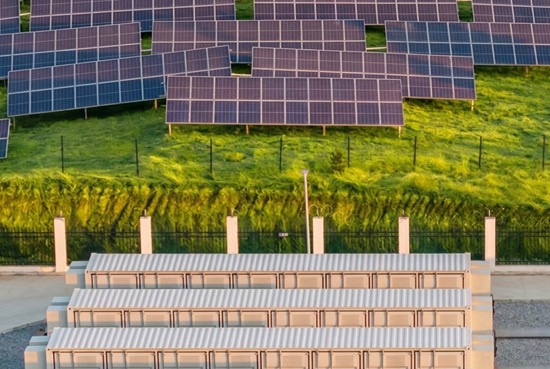
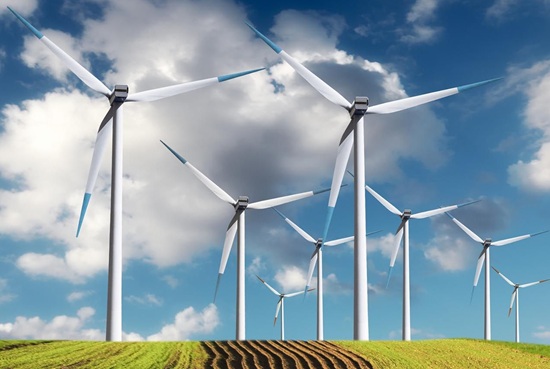
Shift to Renewables: Transitioning from fossil fuels to wind, solar, hydro, and geothermal energy reduces emissions, mitigating climate change impacts.
Energy Efficiency: Retrofitting buildings, improving industrial processes, and promoting efficient appliances lower energy demand and emissions.
2. Enhanced Energy Security
Local Energy Production: Distributed renewable energy (e.g., rooftop solar, community wind) reduces dependence on imported fossil fuels, making communities less vulnerable to supply disruptions.
Smart Grids: Modernising energy infrastructure with smart grids and storage improves reliability and resilience to extreme weather.
3. Economic and Social Benefits
Job Creation: The renewable energy sector creates local jobs, supporting economic resilience.
Energy Poverty Reduction: Affordable, locally produced energy helps vulnerable households, reducing energy poverty and improving social cohesion.
4. Climate Adaptation and Resilience
Decentralized Energy Systems: Microgrids and off-grid solutions ensure energy access during extreme weather or grid failures.
Nature-Based Solutions: Integrating energy projects with ecosystem restoration (e.g., agrovoltaics, floating solar) enhances biodiversity and climate adaptation.
5. Policy and Community Engagement
EU Green Deal & Fit for 55: These frameworks provide funding and regulatory support for local energy transitions.
Citizen Participation: Community energy projects empower locals to co-design and co-own renewable energy initiatives, fostering resilience and ownership.
6. Innovation and Technology
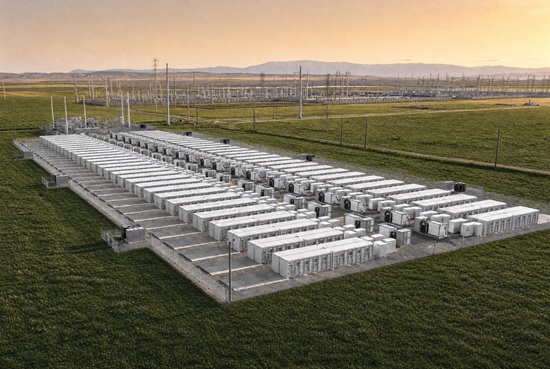
Energy Storage: Batteries and hydrogen storage enable reliable renewable energy supply, even when weather conditions are unfavorable.
Digitalization: AI and IoT optimize energy use, predict demand, and manage distributed resources efficiently.
Some Good Examples in Europe:
Denmark: Wind energy and district heating systems have made cities like Copenhagen leaders in climate resilience.
Germany: The Energiewende (energy transition) has spurred local renewable projects and energy cooperatives.
Portugal: Investments in solar and wind, combined with energy storage, are reducing vulnerability to climate shocks.
Challenges to develop community energy transition strategies may include:
Infrastructure Costs: Upfront investments for renewables and grid upgrades can be high.
Social Acceptance: Local opposition to wind farms or transmission lines can slow progress.
Policy Coordination: Aligning national and EU policies is essential for effective implementation.
Finally, energy transition strategies are not just about mitigating climate change—they are about building communities that are adaptive, self-sufficient, and resilient in the face of climate challenges. By integrating renewables, efficiency, and community engagement, Europe can lead the way in creating a sustainable and resilient future
For more information and answers to your questions about the energy transition activities involving developments in the European solar and wind energy market and related content, you may read here: Europe Onshore and Offshore Wind Power Market Outlook 2025 ÷ 2034, and Europe Solar Photovoltaic (PV) Power Market Outlook 2025 ÷ 2034.
For a better understanding of the benefits of using our reports, you may read here: Benefit List – Reports of Renewable Market Watch – 2025
About Renewable Market Watch™
Renewable Market Watch™ is delivering strategic insight into emerging renewable energy markets through its experienced research team and cutting-edge predictive analytics data platform. We partner with our customers to provide research, data and consulting reports in areas appropriate to their specific requirements. Our primary focus is emerging renewable energy markets in Asia Countries, Western Europe, South Europe, Balkan countries, Central and Eastern Europe, CIS states (the former Soviet Union), LATAM countries, and MENA countries. For more information about Renewable Market Watch™, please visit: