/LONDON, January 9, 2026, 11:00 GMT, RENEWABLE MARKET WATCH™/ In 2025, Croatia set new records for producing electricity from renewable sources. Data from the Association of Renewable Energy Sources of Croatia (OIEH) shows that solar, wind, and thermal power from renewable fuels generated more electricity than any other type for the first time. Together, these sources generated over 5 TWh, accounting for 26.6% of Croatia’s total electricity consumption that year. When hydropower is included, renewable sources supplied more than half (52.6%) of the electricity used in Croatia.
Total electricity consumption in Croatia reached 19,326 GWh in 2025, exceeding 19 TWh for the first time. This consumption increased by 1.01% compared to 2024, marking the third consecutive year of growth. The average annual increase in consumption was about 322 GWh, closely matching the average increase in production from renewable sources (excluding hydropower), which was 376 GWh. This indicates that new capacities are mainly meeting the growing electricity demand rather than driving a shift to cleaner energy.
“Renewable sources are no longer an addition, but a supporting part of the Croatian electricity system, which the results for 2025 have once again confirmed. At the same time, the continuous growth in consumption and the pronounced reliance on imports warn that a more visible shift in the energy transition requires faster development of new production capacities and further modernisation of the electricity grid”, said Maja Pokrovac, Director of OIEH.
Hydropower plants remain the main source of electricity in Croatia, but in 2025, their production dropped due to poor water conditions. They produced 4,831 GWh of electricity, which is 18.4% less than in 2024. An extra 191 GWh came from pumped water in reversible hydropower plants. Overall, hydropower plants generated 5,022 GWh, accounting for 26% of the country’s total electricity use. Even though hydropower remains the top technology, wind, solar, biomass, and biogas together generated more electricity than hydropower in 2025. These sources produced a record total of 5,142 GWh, which is 26.6% of all electricity consumed and the highest level ever achieved in a year.
Despite high renewable energy production, Croatia imported 3,137 GWh of electricity in 2025, accounting for 16.2% of total consumption. Imports occurred in 10 of 12 months, especially during summer and autumn, with Hungary and Bosnia and Herzegovina supplying the most electricity. This amount is roughly equal to what 2,600 megawatts (MW) of solar power plants would produce in a year.
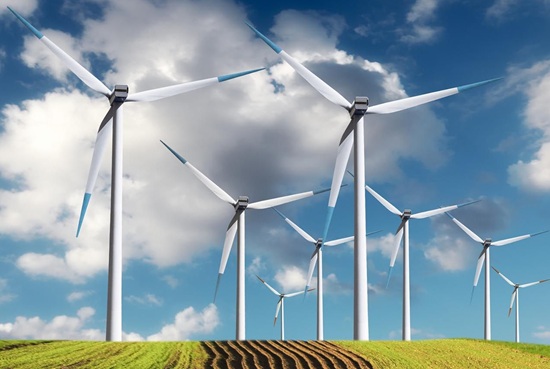
Data from December shows a clear link between wind power generation and electricity exports. For six days that month, Croatia exported electricity during periods of strong wind. For the rest of the month, the country continued to import electricity. In 2025, two new wind farms began operation: the Opor wind farm in Split-Dalmatia County, with a capacity of 27 MW, and the Boraja II wind farm in Šibenik-Knin County, with a capacity of 45 MW. At the start of 2026, Croatia’s total wind farm capacity reached 1,277 MW.
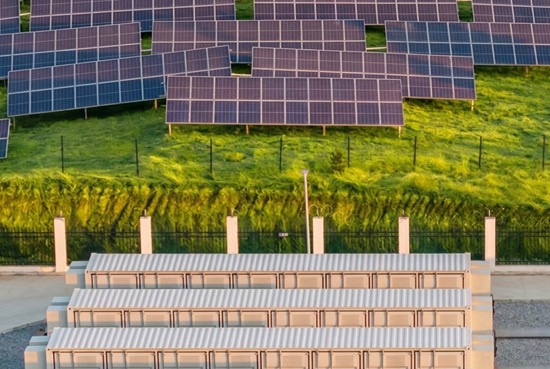
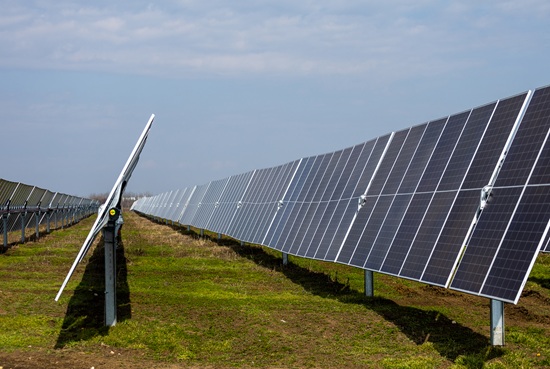
Solar power plants grew faster than any other technology. In the past year, 417 MW of new solar capacity came online, primarily through smaller projects connected to the distribution network. Solar production in 2025 was 1,127 GWh, or 5.8% of total electricity consumption, nearly double the previous year’s output.
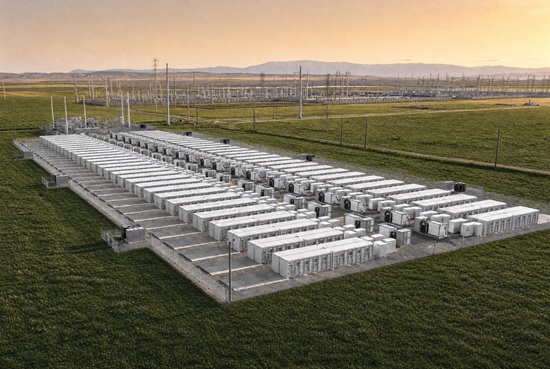
Solar and wind production work well together seasonally. During the summer, solar generation increases when wind is weak and water conditions are not good. In winter, wind power plants take on more of the load. Climate change is making water conditions harder to predict, making it difficult for hydropower plants to reliably support the energy system. Because of this, reversible hydropower plants, battery storage systems, and biogas and biomass technologies are becoming increasingly important for grid balancing.
If construction continues at the current pace, Croatia could have about 1,290 MW of solar power by early 2026. This would be the first time solar energy exceeds wind energy in installed power. In 2026, solar energy production could reach around 1,550 GWh, accounting for nearly 8% of the total electricity supply.
To further develop renewable energy and reduce electricity imports, Croatia needs to address fees for connecting large projects to the grid. Because this issue remains unresolved, about 3.5 GW of renewable energy and battery storage projects are ready to proceed. Data for 2025 shows that renewable energy sources will provide most of Croatia’s electricity. However, the country still needs to import electricity. Increasing domestic production from renewables and adjusting the electricity system will be key to meeting rising demand from local sources and shaping Croatia’s future electricity balance.
For more information and answers to your questions about the Croatian solar, wind and energy storage market and related content, you may read here: you may read here: Western Balkans Solar Photovoltaic (PV), Wind and BESS Power Market Outlooks 2025 ÷ 2034
For a better understanding of the benefits of using our reports, you may read here: Benefit List – Reports of Renewable Market Watch – 2025
About Renewable Market Watch™
Renewable Market Watch™ is delivering strategic insight into emerging renewable energy markets through its experienced research team and cutting-edge predictive analytics data platform. We partner with our customers to provide research, data and consulting reports in areas appropriate to their specific requirements. Our primary focus is emerging renewable energy markets in Asia Countries, Western Europe, South Europe, Balkan countries, Central and Eastern Europe, CIS states (the former Soviet Union), LATAM countries, and MENA countries. For more information about Renewable Market Watch™, please visit: