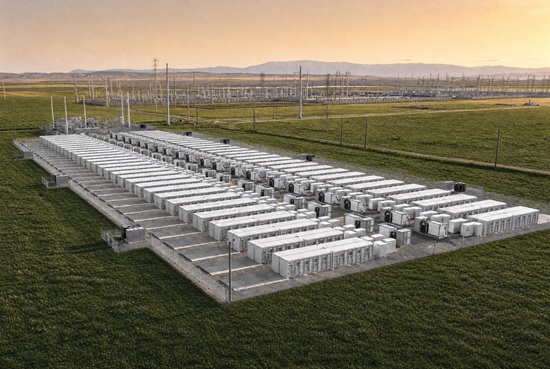
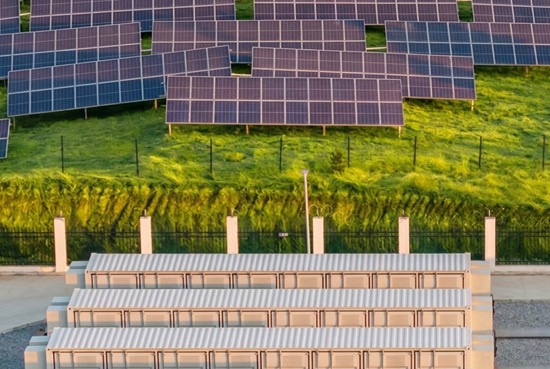
/SOFIA, BULGARIA, September 2, 2025, 11:30 CEST, RENEWABLE MARKET WATCH™/ Thus, in addition to the batteries planned so far for nearly BGN 1.2 billion (EUR 0.61 billion), another 1,900 MWh of electricity storage systems will be added in the second part of the program in Bulgaria, and the total amount of grant funding they will receive is over BGN 230 million (EUR 117.6 million).
There is currently no official update on the progress of the 10,000 MWh battery project funded by the Recovery and Sustainability Plan (RESTORE), nor on whether contracts for the project have been signed. Nevertheless, the Bulgarian Ministry of Energy has decided to move forward by initiating work on RESTORE 2. Recently, the ministry published for public discussion the terms and conditions for applying for and implementing investments under the procedure “Increasing an existing measure: National Infrastructure for Storage of Electricity from RES” under the Recovery and Resilience Plan (RRP).

The BESS facilities will be distributed across Bulgaria and connected to the Transmission System Operator’s (TSO) electricity transmission network or electricity distribution network. This connection requires a direct optical link to the TSO’s telecommunications network, specifically to the ESO’s SCADA/EMS system.
The new program has slightly different criteria for applicants compared to the first RESTORE program. In the initial program, the maximum funding amount for a single proposal from one enterprise was EUR 75,978 (or BGN 148,600). Under the new guidelines, the maximum funding for a single proposal from one enterprise must not exceed the declared capacity multiplied by the aid amount for 1 MWh of usable energy capacity, which is EUR 80,000 (or BGN 156,466), excluding VAT.
Funding is now being sought for more advanced projects that can be implemented quickly under the Recovery and Resilience Plan (RRP). While the initial version allowed applications at an earlier stage, the revised version requires a significantly higher level of readiness. Applicants must now provide a connection agreement, as well as a building permit or installation permit, a signed supply contract, and orders or payments for storage system equipment. Additionally, they must demonstrate secured financing for the investment. These requirements indicate that the project has entered the implementation phase and that the investment is irreversible.
There is a difference in the deadlines for the new procedure. Under the newly discussed procedure, BESS facilities must be built, installed, connected to either the electricity transmission or distribution network, and put into operation by July 31, 2026. In contrast, previous projects had a deadline of March 31, 2026.
Under the previous procedure, nearly 30 projects valued at around EUR 212.18 million (BGN 415 million) exceeded the EUR 0.61 billion (BGN 1.2 billion) target and remained on the reserve list. The discussion regarding the application conditions will be open until September 18, 2025.
For more information and answers to your questions about the Bulgarian energy storage market, a list of tender-winning projects for 2024/2025 YTD and their owners, and related content, you may read here: Bulgaria Battery Energy Storage System (BESS) Market Outlook 2025 – 2034
In order to download the executive summary brochure with sample pages, please access it here: Bulgaria Battery Energy Storage System (BESS) Market Outlook – Sample
For a better understanding of the benefits of using our reports, you may read here: Benefit List – Reports of Renewable Market Watch – 2025
About Renewable Market Watch™
Renewable Market Watch™ is delivering strategic insight into emerging renewable energy markets through its experienced research team and cutting-edge predictive analytics data platform. We partner with our customers to provide research, data and consulting reports in areas appropriate to their specific requirements. Our primary focus is emerging renewable energy markets in Asia Countries, Western Europe, South Europe, Balkan countries, Central and Eastern Europe, CIS states (the former Soviet Union), LATAM countries, and MENA countries. For more information about Renewable Market Watch™, please visit: