/LONDON, May 7, 2025, 9:10 GMT, RENEWABLE MARKET WATCH™/ In 2024, a total of 16,272 new projects with a combined capacity of 355.8 MW were connected, reflecting a significant increase from the 239.4 MW that were connected in 2023. However, the first quarter of 2025 indicated a slowdown, with only 1,712 new self-production projects electrified, contributing a capacity of 59.3 MW. The self-production capacity of 937.6 MW far exceeds the 546 MW of cancelled projects, according to the Green Tank Greece.
The capacity of pending projects has decreased to 927.2 MW, nearly evenly divided between those that have not yet received a notification of inability to connect (470.9 MW) and those that have (456.2 MW).
In April 2025, renewables (mainly wind and solar) continue to be in the lead in electricity production with 1,960 GWh, despite the drop compared to March (15.6%). Fossil gas continued last month’s downward trend, falling 27% (407 GWh). At 1,103 GWh, electricity production from fossil gas was the lowest in 17 months (since December 2023). Also, the decrease in gas generation in April is comparable to the change in the interconnection balance (from 36 GWh exports in March to +433 GWh in April). Lignite also had a downward trend with 141 GWh and a 20.7% drop compared to March. Large hydro remained at levels similar to March, with 194 GWh. Total domestic demand fell by 6.8% compared to last month, ending at 4,074 GWh and a new minimum for 2025.
The interconnection balance picture changed in April, ending with Greece having net imports of 433 GWh. This had not happened since September 2024, as net exports were recorded in the previous six months. The disruption of the Greece-Italy interconnection contributed to this change, as Italy is the country to which Greece exports the largest quantities. Indicatively, according to ENTSO-E data, in 2024, net exports to Italy averaged 119 GWh per month. The average price on the wholesale market (89.1 €/MWh) was the lowest since May 2024, a 15.9 % decrease compared to March 2025.
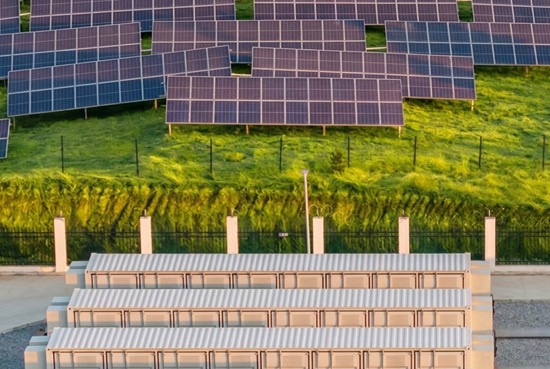
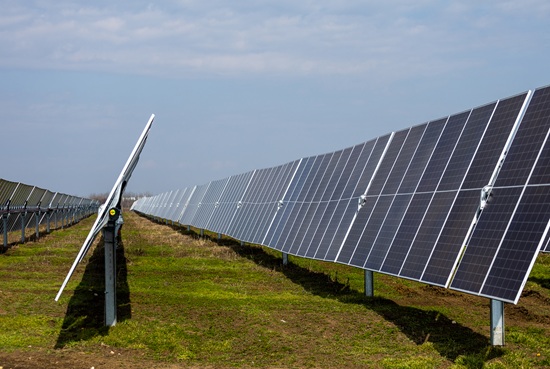
The Western Balkans solar energy market is expected to be heading toward an expansion phase by 2034. Factors propelling the market growth include concerns regarding the negative environmental impacts of fossil fuels, a decrease in coal power generation capacity, replacement of aged power generation units based on fossil fuels, compliance with the European Green Deal, and others. Also, serious growth in the residential and commercial building stock and economic growth in the largest Western Balkans cities are significant factors driving the solar energy market.
For more information and answers to your questions about the Greek and Western Balkans Solar Power market and related content, you may read here: Western Balkans Solar Photovoltaic (PV) Market Outlook 2025 ÷ 2034
For a better understanding of the benefits of using our reports, you may read here: Benefit List – Reports of Renewable Market Watch – 2025
About Renewable Market Watch™
Renewable Market Watch™ is delivering strategic insight into emerging renewable energy markets through its experienced research team and cutting-edge predictive analytics data platform. We partner with our customers to provide research, data and consulting reports in areas appropriate to their specific requirements. Our primary focus is emerging renewable energy markets of Asia Countries, Western Europe, South Europe, Balkan countries, Central and Eastern Europe, CIS states (former the Soviet Union), LATAM countries and MENA countries. For more information about Renewable Market Watch™, please visit: